Nobody schedules a meeting for the moment a brand stops matching the business behind it. There’s no announcement, no single bad day. The offer grows, the team gets more senior, the client list shifts toward bigger and more complex work and the brand, most visibly, the website, the deck, the one-pager, just doesn’t catch up. By the time anyone notices, the gap is usually significant.
This isn’t a story about businesses doing anything wrong. It’s a natural consequence of growing while being too busy in the business to also manage it from the outside in. Brand assets get built at a point in time. The business keeps evolving. The assets, left alone, don’t.
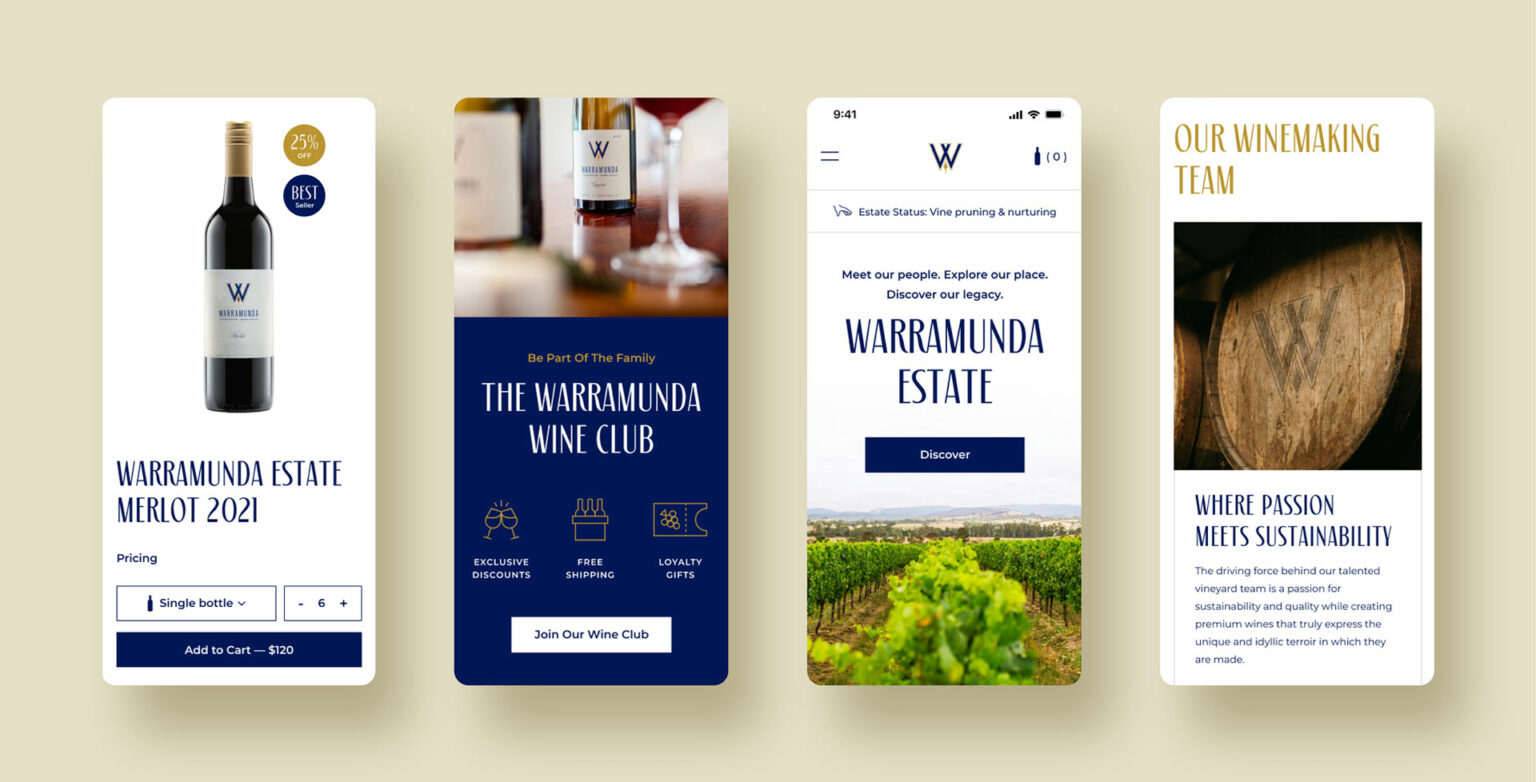
The website is usually where this shows up first, simply because it’s the most visible and most frequently checked expression of the brand. But the actual problem isn’t the website, it’s that the story a business tells about itself hasn’t kept pace with what the business has actually become.
Five signs it’s already happened A few checkable signs, worth testing against your own business:
- The case studies on your website represent a version of the business that no longer exists.
- In client meetings, the team routinely explains things about the business that the website doesn’t mention yet.
- A new senior hire can describe the strategy in a sentence; the homepage can’t.
- The pitch deck and the website disagree with each other about what the business actually does.
- Someone on the team has quietly stopped sending prospects to the website before a call.
None of these are a crisis on their own. Together, they’re a pattern worth paying attention to.
Why this bites hardest in high-trust categories This shows up everywhere, but it’s most costly in categories where the brand itself does real trust-building work before a prospect ever reaches out: financial services, legal, health, advice. In these categories, a brand lagging behind the business isn’t just an aesthetic issue. Clients read brand quality as a proxy for competence and currency. A dated brand quietly undercuts the credibility a business is building everywhere else, right at the point a bigger client is deciding whether to trust it.
Rather than guessing, three practical checks:
- Line up the current pitch deck against the current website and see where they genuinely disagree.
- Ask two or three people outside the business to describe what it does, using only the website, then compare that to how the team describes it internally.
- Check when the site was last meaningfully updated against how many new services, senior hires or markets have been added since.
Is a rebrand the solution? Not on its own, and not if it starts with a new logo. A rebrand that only reskins the same assets just moves the mismatch to a nicer-looking version of itself.
The real work is deciding where the business is going, not just describing where it’s landed. A brand built to match today’s business will be out of date again the moment the business moves, and if this pattern is any guide, that won’t take long. The brief worth writing isn’t “make this match who we are now.” It’s “build something that can hold who we’re becoming, not just who we already are.”