What happens when AI understands not just your code, but how your team actually works?
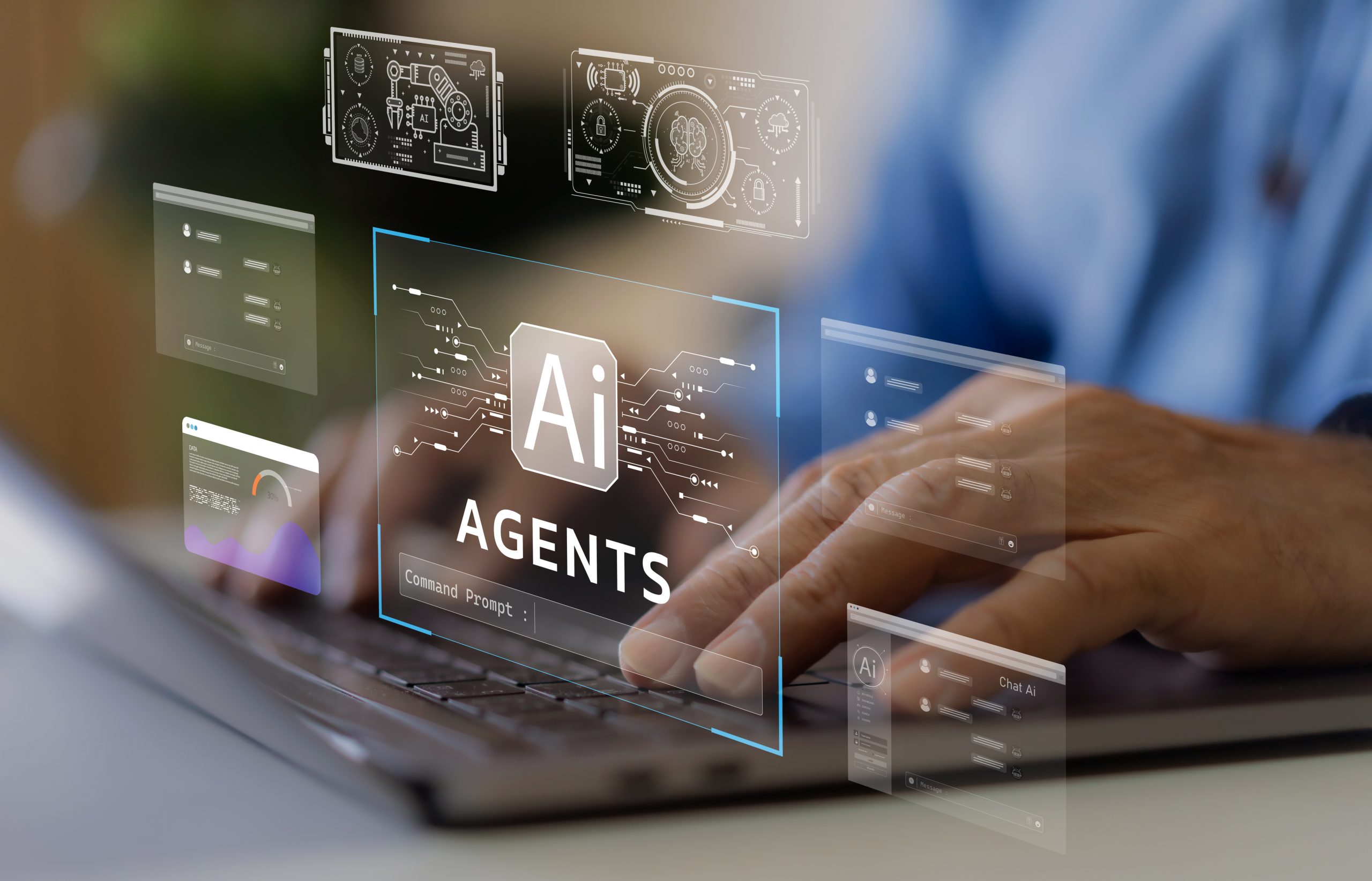
AI tools like Claude, Cursor and ChatGPT have become a normal part of how our tech team operates, showing up daily for coding, debugging, QA and clearing repetitive tasks. That’s the baseline now. The more interesting question we’re exploring is what comes after.
Our senior front-end developer gave us a clear example. Instead of starting each day jumping between five different tools, she built a “Good Morning” workflow that pulls live information from Jira, email, WOO Group leave data and team messages, then delivers a single personalised brief the moment she types “good morning”: tasks, priorities, team availability, relevant updates, and risks worth flagging. It’s multilingual too, usable by voice or text.
What’s interesting isn’t just the workflow, it’s the pattern underneath it. As one team member described it: AI helps code, then AI understands our projects, then AI understands our working context, and finally, with that context, AI helps optimise how we work. The next step is making that context stable and reusable enough to power more than a morning brief, think scheduled project updates, risk flags and status summaries running automatically.
None of this is about novelty. It’s about time. Every minute spent hunting across systems and stitching information together is a minute not spent acting on it. It’s early, and still evolving, but it’s a useful look at where AI goes once it moves past the editor and into the way people actually work. As we test more tools and processes across tech, design and marketing, we’ll be sharing what we learn, so stay tuned.