For a long time, automation in marketing stayed in a comfortable lane. Scheduling posts. Triggering emails. Pulling reports. While still useful, it was handling the administrative surface without touching the thinking underneath. That lane is widening.
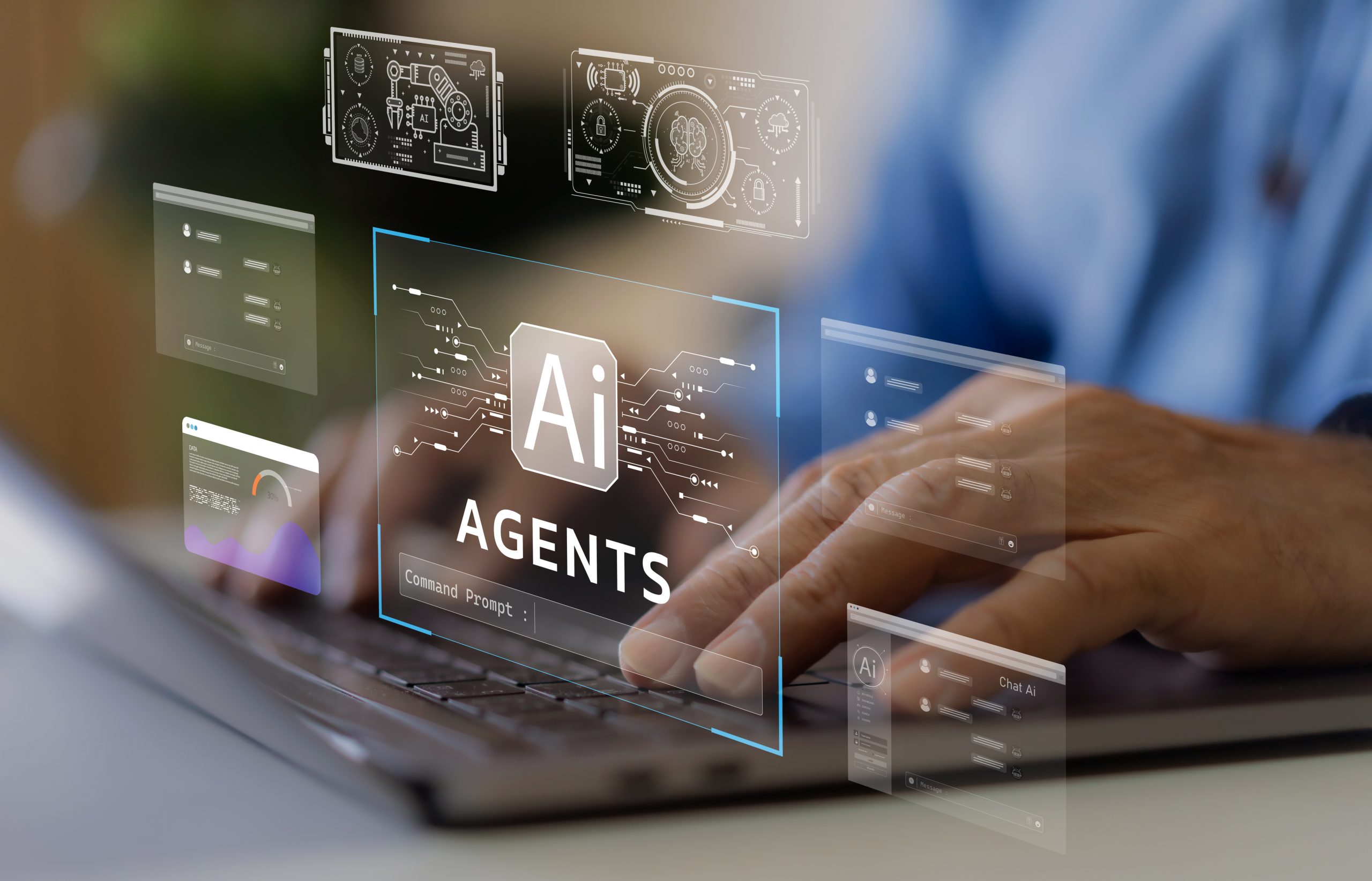
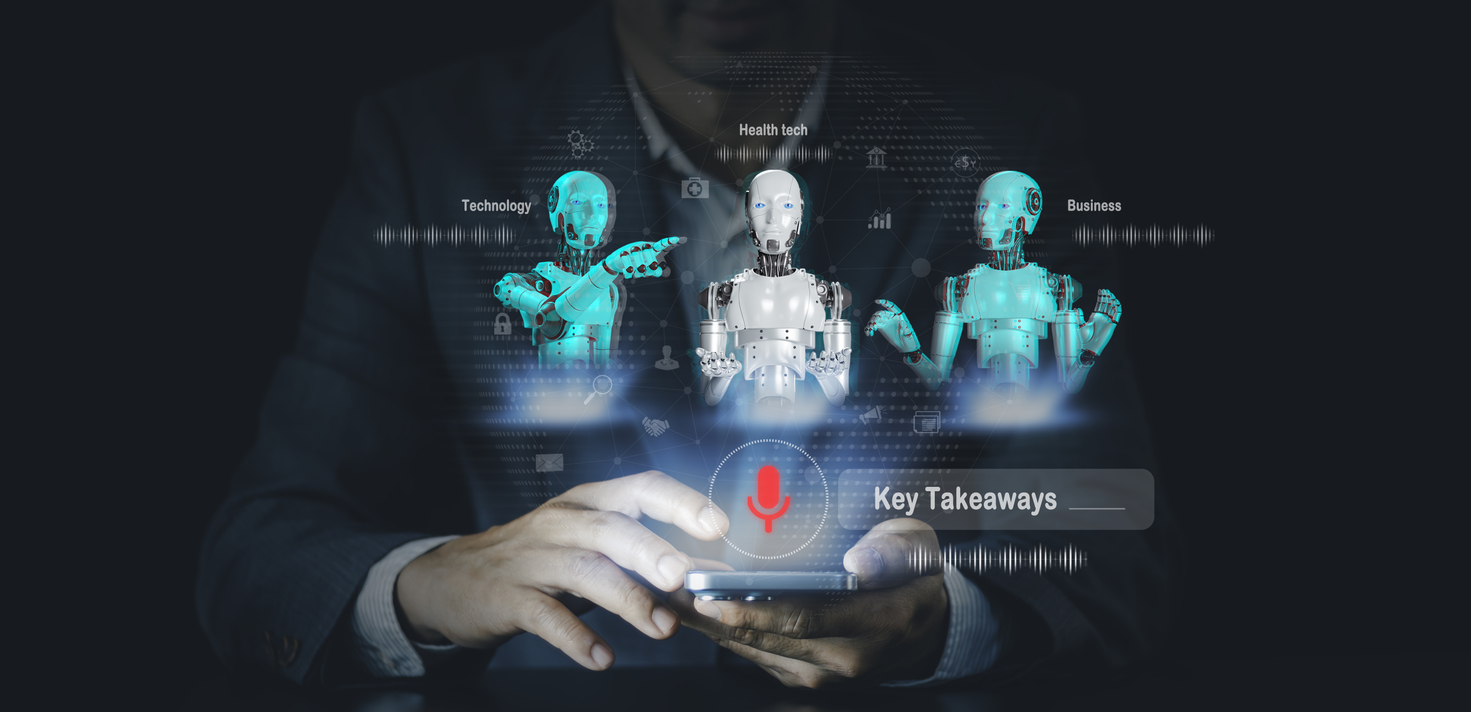
AI agents are systems that don’t just respond to instructions but pursue outcomes. They are moving into territory that once felt unmistakably human including research, briefing, audience analysis and channel strategy. These signals are ones that cannot be ignored.
What's shifting?
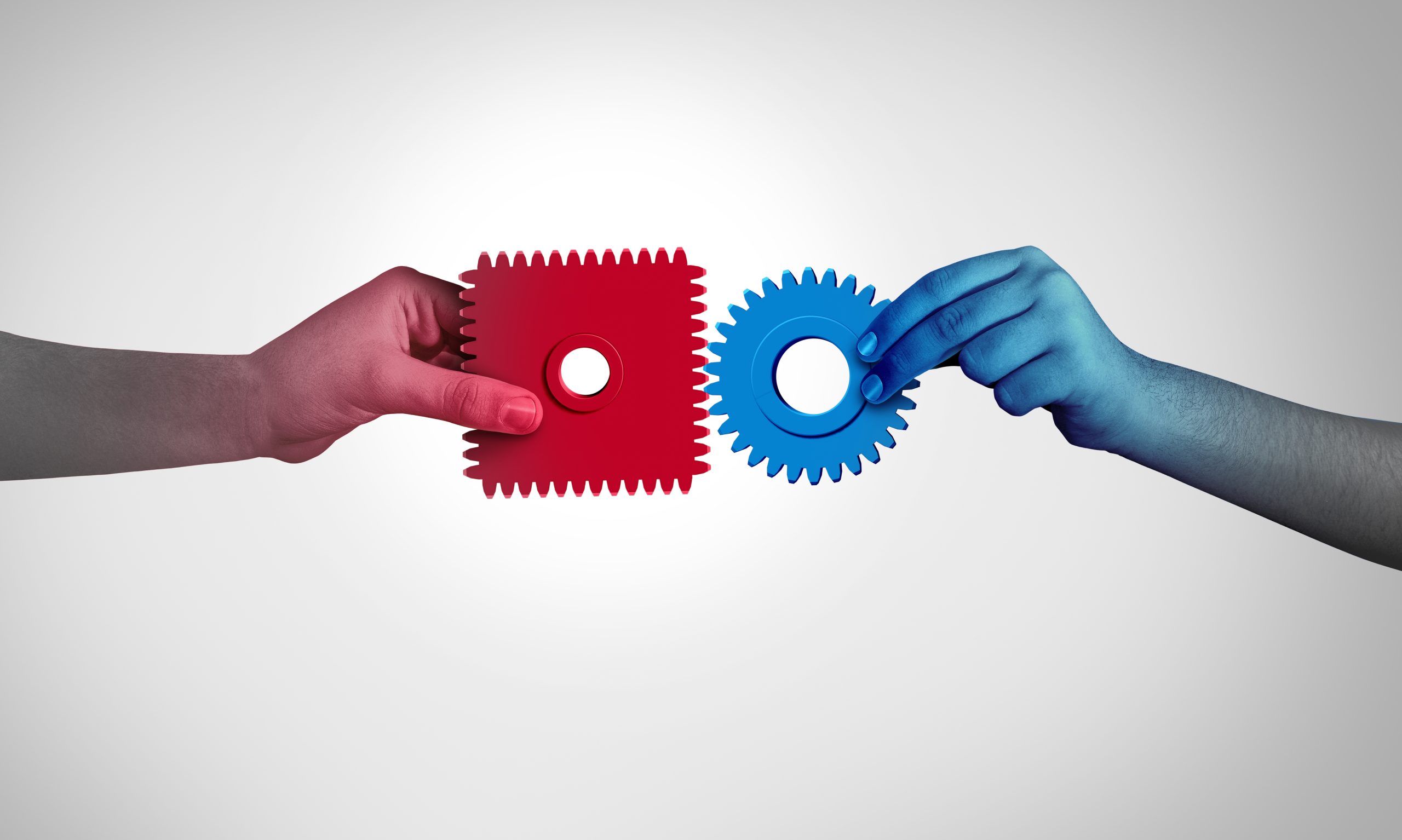
The difference between AI as a tool and AI as an agent is significant. A tool responds when you engage it. An agent pursues an outcome independently.
In practice, competitive research that took days now takes hours. Content workflows that required multiple handoffs compress into one. Campaign analysis runs faster and leaner. The capability is here, the question is how to use it with intention.
What’s not shifting?
Efficiency is not the same as effectiveness.
AI agents are strong at volume, speed, and pattern recognition. They are not strong at genuine originality, cultural nuance, or the instinct that comes from deeply understanding a brand and its audience. The best creative work still requires human judgment at its core.
What this means?
The teams that navigate this well won’t be the fastest adopters. They will be the clearest thinkers. AI is most powerful when the brief is sharp and the strategy is defined. When those are missing, it amplifies confusion.
The upstream work including positioning, brand clarity, strategic direction, becomes more important, not less.